CHA Biotech Co., South Korea’s leading stem cell therapeutics developer, aims to cut the cost of gene and cell therapies to a tenth of current levels, in a move to allow patients greater access to treatments that are often priced in the millions of dollars.
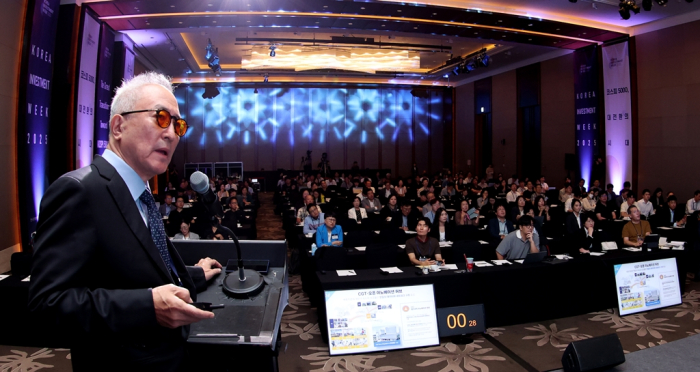
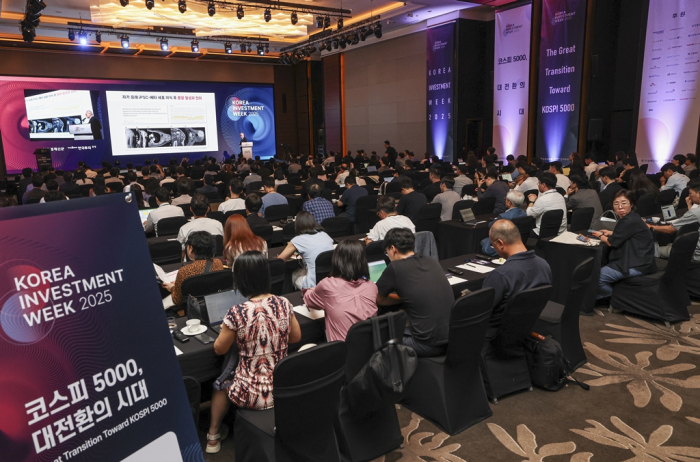
Cha Kwang-ryul, founder of Cha Biotech and head of the firm’s Global Research Institute, told investors at the Korea Investment Week (KIW) 2025 conference in Seoul on Tuesday that the company was positioning itself to overcome intellectual property bottlenecks that have kept stem cell technologies in the hands of US and Japanese pharmaceutical groups.
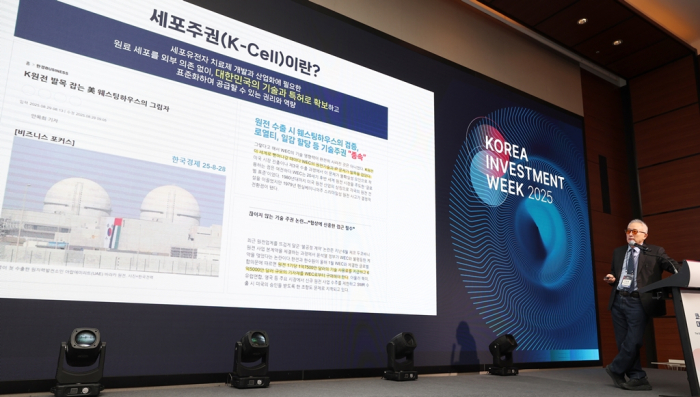
“Exorbitant royalties and reliance on imported raw materials have placed a heavy burden on patients and drug developers,” he said while delivering a keynote speech at the forum organized by The Korea Economic Daily and Korea Investment & Securities Co. “We need ‘K-cell sovereignty’ that enables Korea to produce and develop advanced therapies independently.”
KOREAN BIOTECH FIRMS POSITIONED TO BECOME GLOBAL TOP 10 PLAYERS
The founder said the medical group had already built infrastructure to support both clinical trials and treatment, citing a network of 96 hospitals across seven countries and manufacturing facilities that meet international standards.
He said that by lowering entry barriers, Korea will be able to foster an ecosystem where researchers with ideas could pursue therapy development without prohibitive costs.
According to market research firm MarketUS, the global cell and gene therapy market is expected to expand to 110 trillion won ($80 billion) by 2032 from an estimated 20.2 trillion won this year.
Despite its rapid growth, Cha described the gene and cell therapy segment as being at an early stage without a clear global leader, leaving space for Korean players to break into the global top 10.
“This is the golden time for Korea to secure independent technology before the market consolidates,” he said.
SMALL MODULAR REACTORS
The KIW 2025 forum also underscored Korea’s ambitions in other high-tech sectors.
In a separate session, Kim Jong-doo, head of Doosan Enerbility Co.’s nuclear business group, said the company would build a domestic production facility for small modular reactors (SMRs) within three years.
He said Doosan was repurposing its Changwon plant, traditionally used for large-scale nuclear equipment, into an SMR production hub capable of mass-producing modules in an assembly-line fashion.
“While US companies focus only on design, Korean firms such as Doosan can emerge as top-tier foundries for SMR manufacturing worldwide,” he said.
By Woo-Sang Lee, Sang-Hoon Sung and Si-Ook Ahn
idol@hankyung.com
In-Soo Nam edited this article.