
South Korea’s top financial regulator has proposed to loosen restrictions on financial holding companies’ ownership of fintech platforms from the current 5% to 15% in a first such move since introducing the ownership limit in 2000.
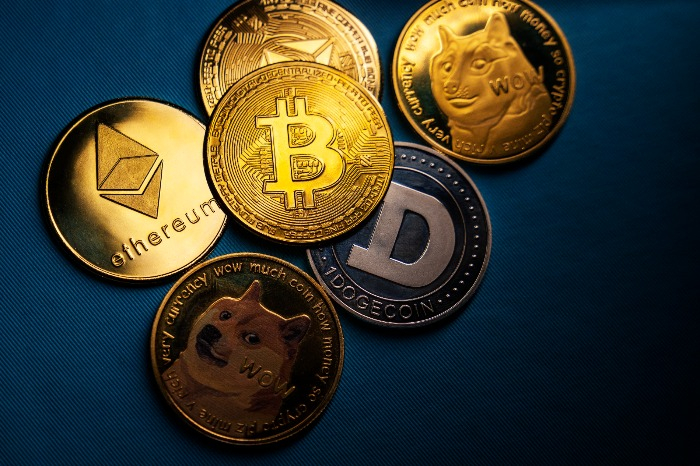
The Financial Services Commission (FSC) is also moving to allow companies and non-corporate organizations to trade crypto currencies at home, starting as early as the first half of this year.
On Wednesday, the FSC unveiled a package of such policy initiatives for 2025.
RULES OVER FINTECH OPERATORS
Under the current law, financial holding firms’ stake in a fintech platform is restricted to 5% unless it is its subsidiary, more than 50% of which it controls.
“(A loosening in their ownership limits) will meet the needs of both fintech companies seeking to attract investment, while keeping management rights and financial holding firms who want collaboration with fintech companies through an appropriate level of investments,” said an FSC official.
For fintech units classified as subsidiaries of holding firms, the regulator seeks to allow them to control other financial services firms like robot advisers that provide customized financial advice and investment services online.

CRYPTO CURRENCY TRADE
Investors in the domestic digital coin market are required to open Korean won-denominated accounts under their real name at a local bank.
The rules virtually blocked institutions’ digital currency trading at home because local banks were reluctant to open corporate accounts linked to crypto investments for fear of going against anti-money laundering guidelines.
A relaxation in the rules, to be introduced in phases, will enable companies, university foundations and municipal governments to covert digital money into physical cash in the country.
Meanwhile, the FSC said it will continue to ban local investors’ trading of spot-bitcoin exchange traded funds, citing a lack of investor protection systems.
In 2024, South Korea enacted legislation on virtual assets to bring cryptocurrency markets under regulatory control for investor protection after a series of alleged cryptocurrency fraud cases in recent years.
It is now drawing up follow-up regulatry steps concerning digital asset issuance and circulation.
By Hyun-Woo Kang
hkang@hankyung.com
Yeonhee Kim edited this article.